At Asterisk, Meatloaf Tastes Like It Came From Home
The Meatloaf That Surrendered To A Fork
The Blue Plate Special Special Kitchen Restaurant Review by Gary Gardiner
One in a series from The Taste of Westerville Restaurants
The first touch of the fork told me almost everything I needed to know.
The corner of the meatloaf broke away and crumbled onto the mashed potatoes. No knife required. The slice held its shape on the plate, but it gave way to the fork exactly as a good meatloaf should.
That small collapse was proof enough that this one had been mixed and shaped by hand. From a diner’s perspective, it was the kind of detail that inspires confidence before the first full bite. The meatloaf did not resist the fork. It yielded gently, the way comfort food should, suggesting that someone in the kitchen understood the difference between a loaf that merely holds together and one that remains tender.
There was satisfaction in that first forkful, along with a sense of the cook’s pride behind it. A chef who takes meatloaf seriously knows that its texture reveals everything: how much it was handled, how tightly it was packed, and whether it was allowed to stay moist. This one showed restraint and care. It arrived looking substantial, then softened at the touch, giving the diner exactly what the chef intended.
Before entering Asterisk in Uptown, I stopped to talk with owner Megan Ada, who had read my previous meatloaf review. She assured me I would be satisfied with her recipe, one she developed from the catering menu at Sunny Street, a restaurant she previously owned. She wanted something better suited to Asterisk’s customers.
She had reason to be confident.
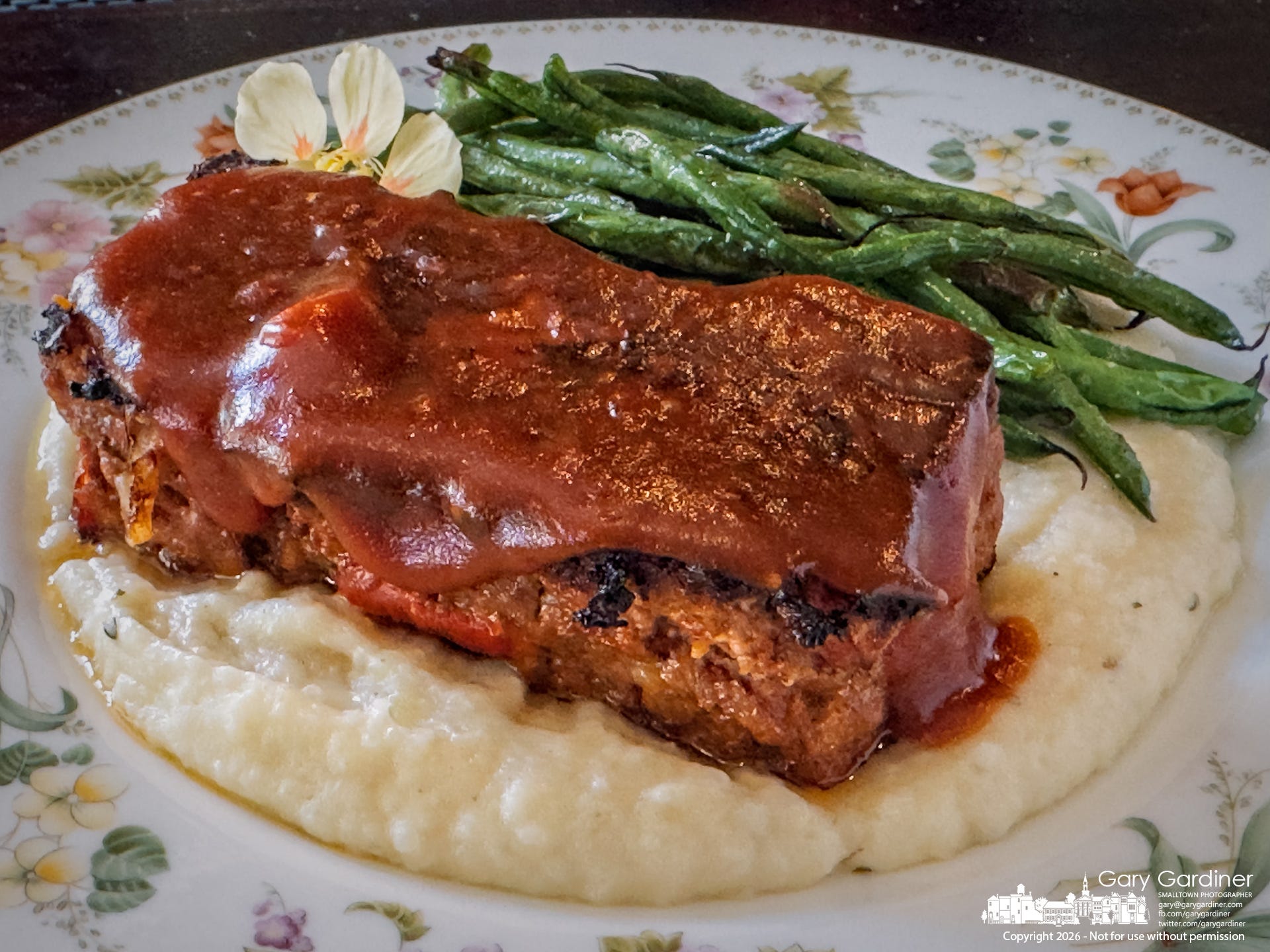
The meatloaf looked as though it had come from Mom’s kitchen, where recipes are measured as much by memory as by spoons. Its browned top, moist center, and generous thickness suggested a dish made by someone who knew exactly how it should look before it reached the table.
Then the fork confirmed it.
With each touch, the meatloaf continued to fall apart into soft pieces. It remained firm enough to hold together as a slice yet tender enough to crumble without resistance. That balance is what makes meatloaf work. It should arrive intact, then surrender to the fork.
The edges had been crisped and lightly charred, adding a gentle crunch to certain bites. The darker crust gave the meatloaf contrast without drying it out. Inside, it stayed moist and tender.
The brown sugar gravy settled over the meat, adding sweetness to its savory flavor without overpowering the meatloaf. It deepened it.
The mashed potatoes had the texture of something made at home, thick enough to be lifted on a fork yet soft enough to melt in the mouth. They held their own under the gravy rather than dissolving into it.
The green beans kept enough flavor and texture to complete the plate. They were not simply something green placed beside the potatoes. They added freshness and a slight resistance to a meal built mostly around tenderness.
The best bite included a little of everything: a piece of meatloaf, mashed potatoes, gravy and green beans. Together, they delivered what comfort food is supposed to offer: richness, softness, texture, and balance.
Asterisk is almost always busy, so reservations are suggested. I do not mind sitting at the bar, though, especially because it has an interesting history of its own.
I try to sit as close to the front as possible. The second chair from the door is the perfect spot.
To my right are the sounds of the restaurant: plates settling on tables, cutlery clinking against china, glasses tapping the bar, chairs shifting, laughter rising above the crowd, and the steady murmur of soft conversation. In a library.
The side facing the front window is almost silent. Little sound comes in from the street, not even the laughter of passersby hurrying toward someplace less peaceful than this Wild West bar tucked into the corner of a library that once housed the most popular grill in town.
Somewhere on one of the library's shelves are a couple of books I donated, along with a few simple card games. On one shelf sits my box of MCAT flashcards, ready for anyone who wants to test a partner’s medical knowledge between drinks.
When the meal was finished, or as finished as it could be without a yeast roll to clear away the remaining gravy and potatoes, a member of the staff told me that his first seven meals after starting at Asterisk had all been meatloaf.
The chef eventually chastised him, telling him that everything on the menu was good and that he needed to try the other dishes so he could discuss them with diners.
For the time being, he said, he was sticking with the meatloaf. As far as he was concerned, it was about as perfect a meal as he could get.
I understood.
When my plate was empty and I was asked whether I was satisfied, I said that if this had been dinner at home, I would already have cut a second slice and spooned more potatoes onto it.
I also would have set aside a slice or two for tomorrow’s meatloaf sandwich.
That may be the best compliment a restaurant meatloaf can receive.
Because this post is public, you’re encouraged to share it on social media.
The Westerville News is a reader-supported publication by Gary Gardiner, a lifelong journalist who believes hyper-local reporting is the future of news. This publication focuses exclusively on Westerville—its local news, influence on Central Ohio, and how surrounding areas shape the community.
Reader funding, including subscribers, protects editorial independence, so coverage is guided by journalists rather than owners or corporate profit goals. It also reduces pressure to chase clicks, letting the newsroom focus on stories worth readers’ time. And it helps keep the site accessible to everyone, including people who can’t pay or live in places where a free press is under threat.
Explore more hyper-local reporting by subscribing to The Hilliard Beacon, Civic Capacity, Marysville Matters, The Ohio Roundtable, Shelby News Reporter, This Week in Toledo, and Into the Morning by Krista Steele.


