Westerville Parks Asks For Better Rules For Park Use
Proposal would not ban casual park photography, but paid portrait sessions would need city approval.

Westerville City Council heard the first reading on Tuesday of a proposal aimed at giving the city tighter control over the use of parks and recreation facilities as commercial workplaces, after parks officials raised concerns earlier this month about businesses operating in public spaces without authorization.
Parks and Recreation Director J.R. Fourqurean introduced the legislation. At the previous meeting, he told the council to consider whether new rules were needed for businesses using city parks for private gain outside the city’s approval process.
The issue centers on the distinction between unauthorized and authorized commercial use of public facilities. Unauthorized use refers to activities in parks for financial gain without city authorization. Fourqurean said commercial activities are already allowed through established channels, including authorized contractors, vendors, and formal partnerships.
Youth sports organizations, such as WYBSL, operate under city agreements. These govern park use and require contributions toward field maintenance and program operations. The concern, Fourqurean said, is with individuals or businesses running private, for-profit activities in public spaces without following those same required processes.
Under the proposed language, “commercial purpose” would be broadly defined to include activities conducted for monetary or commercial gain. The proposal specifically lists private lessons, classes, camps, instruction, personal training, health or wellness services, physical therapy, guided tours, photography, videography for hire, sales, and solicitation among the types of business uses that would be regulated.
This definition also covers any activity where anyone other than the city or the Parks and Recreation Department imposes a fee, charge, or other monetary barrier to entry.
“This is really about the privatization of public spaces,” Fourqurean told the council.
He said one concern is the possibility of fee-charging groups occupying park areas in ways that exclude other residents. Another concern is the use of unofficial arrangements that make it appear a park facility has been reserved or controlled without the city’s approval.
Fourqurean also said the city is trying to prevent the transfer of privileges, such as when someone rents a park facility and then subleases or contracts that use to another entity. He added that the proposal is also intended to reduce litigation risk and the city’s liability exposure.

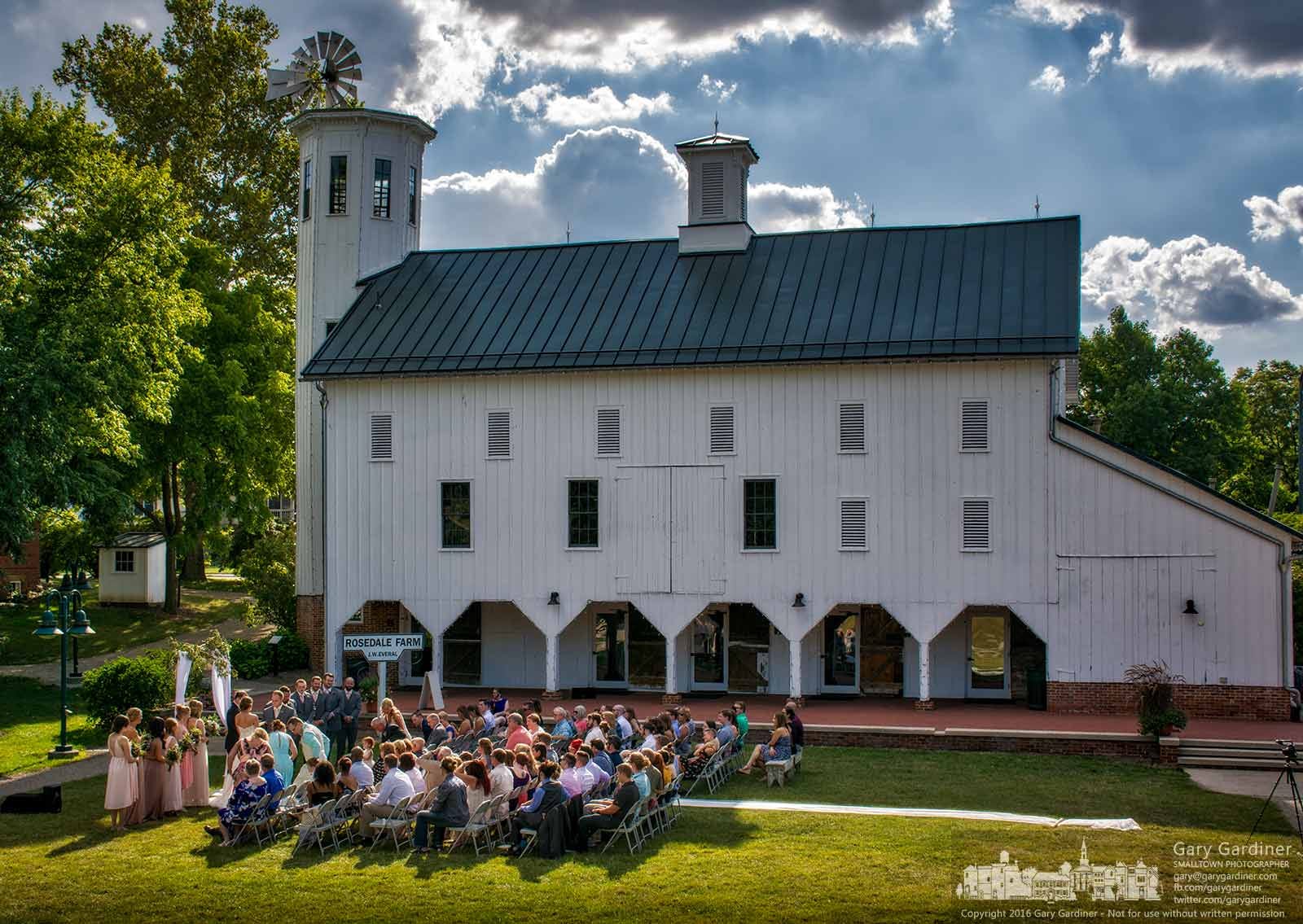
One practical effect would be on photography. As written, the proposal would not appear to ban casual picture-taking in parks. A parent photographing a child, a hobbyist shooting nature photos, or a resident taking unpaid graduation pictures for personal use would not seem to fall under the rule. The ordinance is aimed at commercial use, not photography in general. The dividing line is payment. A senior portrait session, family session, mini-session, or other shoot done for hire would be treated as a commercial use and would require prior written city approval.

Much of the council discussion centered on how broadly the rules would apply in everyday situations. Vice Mayor Kelley Stocker asked whether it would count as commercial use if a resident hired someone to meet them at a park for a paid workout. She also asked whether paying a private instructor to teach their children to swim at Highlands Pool would be considered commercial use.
Assistant Law Director Josh Pluninger said the proposal is broad enough that those examples qualify since money is involved.
Staff said that does not mean those services could never happen in city facilities, but that they would need to go through a city-approved process, which is distinct from simply offering those services. Officials compared that idea to how the city already handles personal trainers at the fitness center: only city-approved providers, with proof of insurance, written agreements, and payments managed by the city, are permitted to offer those services, which is different from unapproved, informal arrangements.
Fourqurean said that such a system helps protect residents and the city by ensuring providers are vetted and insured before offering services in public facilities.
Council also asked whether the city plans to charge fees for commercial permits. Pluninger said the legislation itself does not establish a fee structure. Instead, it would give the parks director the authority to create rules for the program, including possible fees, insurance requirements, and approval standards.
Council members appeared supportive during the first reading. Chair Megan Czako said the proposal was “very well thought out” and that she was pleased with what was before the council.
The proposal returns for a second reading on April 7, 2026, when the public can comment before further council action.
The Westerville News is a reader-supported publication by Gary Gardiner, a lifelong journalist who believes hyper-local reporting is the future of news. This publication focuses exclusively on Westerville—its local news, influence on Central Ohio, and how surrounding areas shape the community.
Reader funding, including subscribers, protects editorial independence, so coverage is guided by journalists rather than owners or corporate profit goals. It also reduces pressure to chase clicks, letting the newsroom focus on stories worth readers’ time. And it helps keep the site accessible to everyone, including people who can’t pay or live in places where a free press is under threat.
Explore more hyper-local reporting by subscribing to The Hilliard Beacon, Civic Capacity, Marysville Matters, The Ohio Roundtable, Shelby News Reporter, This Week in Toledo, and Into the Morning by Krista Steele.


