

Westerville Saturday Farmers Market String Beans Bring Grandma’s Porch Back To The Table
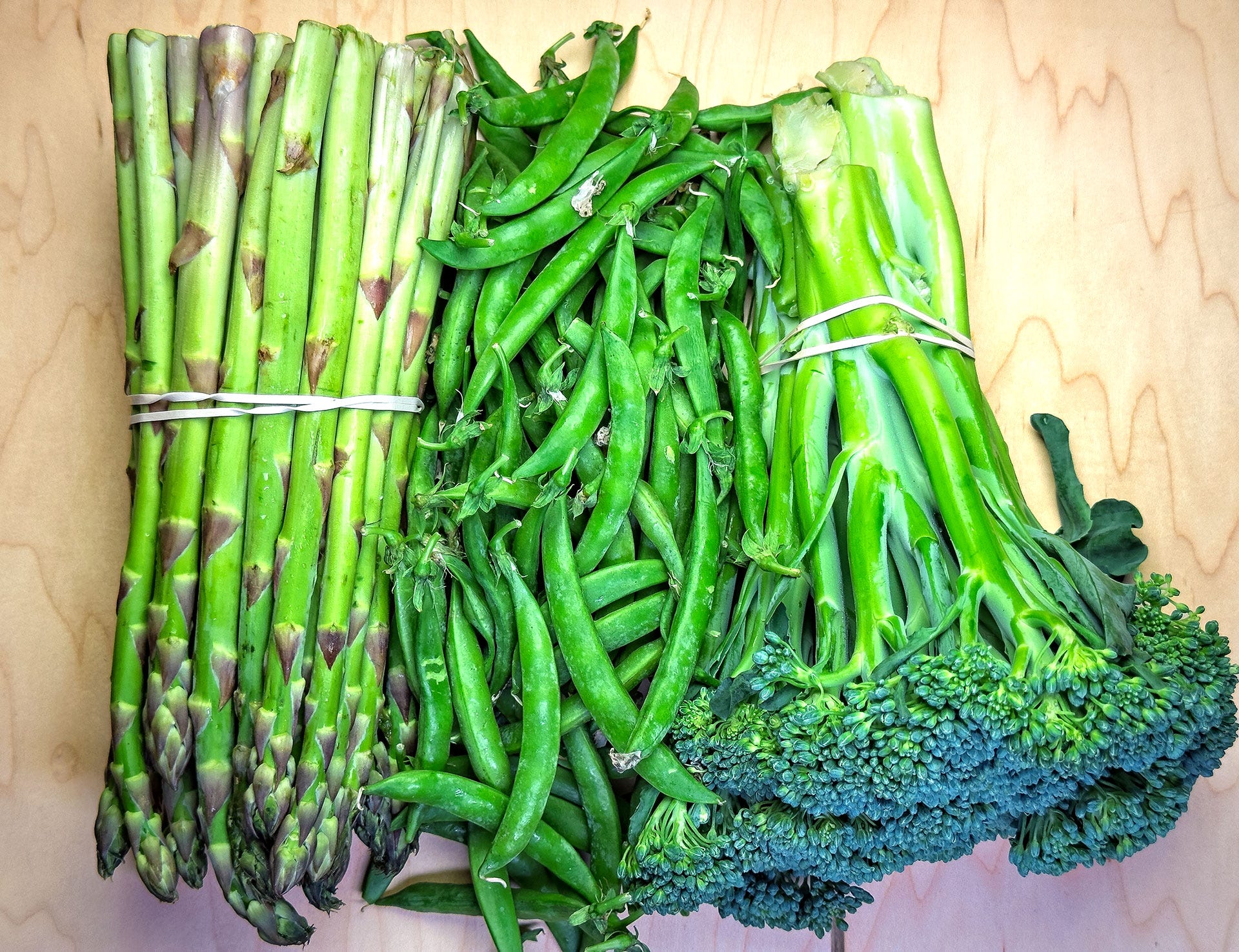
The first green beans of the season arrived at the Westerville Saturday Farmers Market carrying the promise of dinner and the return of a place I had not visited in years.
The beans from Rhoad’s Farm were the old-fashioned string variety, the kind that must be snapped at the ends and stripped of their fibrous seams before they reach the pot. Looking at them, I understood why my grandmother’s hands were so strong.
There was a serenity to sitting beside her on a nearly cool, north-facing screened porch in Florida. It resembled an open-air greenhouse, with plants on the floor, arranged on tables and hanging from baskets. Small pots of cactuses, succulents and cuttings set aside for rooting lined the ledge beneath the front screen.
Grandma sat in a rocking chair, and I sat in a ladder-back Shaker chair with a leather seat. We listened to the drone of insects and the songs of their feathered predators.
Every now and then, a cow bellowed about something only cows understood. A fly might test the speed of Grandma’s hand. It usually lost.
A glass of water sat on the side table beside a bromeliad she had gathered from a tree at the edge of the pasture. Her apron stretched between her knees as she worked through whatever the garden had produced.
She strung green beans, shelled lima beans and opened white acre peas with movements that made the work appear easy. I tried to match her, hoping youth would give me quicker fingers.
It never did.
She would finish her apronful, then reach for handfuls from my pile or one of the other children’s. She was not showing off. Another task was waiting, and dinner would not delay itself.
Her hands snapped each bean cleanly, caught the string and pulled it away in one piece. Then she tossed the bean into a pot on the floor between us, where it landed with a sound I can still hear. She never missed. We children often did.
The discarded ends went into the chicken coop, where one meal became part of another. Bean ends fed chickens. Chickens produced eggs. The eggs returned to the table in breakfast, biscuits or her famous cinnamon rolls.
Seeing the beans at the market snapped all of that back into the next meal.
String beans demand patience. Newer varieties have largely been bred without the tough seam, allowing cooks to rinse them, trim the ends and put them into the pot. The only pleasure in those beans is the eating.
These required the full treatment. Each bean had to be handled, each end broken, each string found and pulled away. Miss one, and the bean reminded you at the table.
The work slowed the afternoon and restored the rhythm of that porch: snap, pull, toss. Snap, pull, toss.
Once prepared, the beans had a deep flavor and firm texture. They tasted fresh, green and unmistakably seasonal.
They also tasted earned.
The trip to the weekly market became a study in green anchored by string beans. Asparagus came home, too, along with broccoli bearing long stems and leaves worth saving. The asparagus needed little more than oil and heat. The broccoli stems were peeled, sliced and cooked with the florets and leaves.
But the beans remained at the center of the week.
Food gives life, but its greatest strength may be emotional. A taste, smell or familiar task can resurrect memories buried beneath years of ordinary living.
The best food memories are tied to the cook or the people gathered around the table. We remember more than taste. We remember where we sat, who was beside us and who prepared the meal.
I remember a porch facing north, a cow calling from the pasture and a fly foolish enough to challenge Grandma. I remember the creak of a rocking chair, the drone of insects and children fumbling with stubborn strings while she quietly finished everybody’s work.
She was preparing food, feeding a family and moving from one necessary task to the next. The strength in her hands came from repetition, necessity and years of doing what had to be done before anyone sat down to eat.
The beans from Rhoad’s Farm required only a small share of that labor, but enough to bring the porch, the pasture and my grandmother back to the table.
Some meals begin at the stove. This one began in a rocking chair.

Because this post is public, you’re encouraged to share it on social media.
The Westerville News is a reader-supported publication by Gary Gardiner, a lifelong journalist who believes hyper-local reporting is the future of news. This publication focuses exclusively on Westerville—its local news, influence on Central Ohio, and how surrounding areas shape the community.
Reader funding, including subscribers, protects editorial independence, so coverage is guided by journalists rather than owners or corporate profit goals. It also reduces pressure to chase clicks, letting the newsroom focus on stories worth readers’ time. And it helps keep the site accessible to everyone, including people who can’t pay or live in places where a free press is under threat.
Explore more hyper-local reporting by subscribing to The Hilliard Beacon, Civic Capacity, Marysville Matters, The Ohio Roundtable, Shelby News Reporter, This Week in Toledo, and Into the Morning by Krista Steele.
