

Westerville To Host What Organizers Call First U.S. Linux Repair Café - Prayer Breakfast Highlights WARM's Purpose and Success

Westerville will host what organizers call the first Linux Repair Café in the United States on Saturday, giving residents a chance to keep older computers out of the landfill by replacing outdated Windows software with Linux.
The hands-on workshop is scheduled for 1 to 4 p.m. Saturday, May 9, at the Westerville Public Library, 126 S. State Street. Sustainable Westerville and local technology volunteers will help participants install Linux on older laptops, test ready-to-use Linux machines, and learn about open-source alternatives to Windows.
Tim Tucker, who helped organize the event, said the idea follows a model promoted by the international Repair Café movement. He said he checked with the international organization and was told Westerville’s event appears to be the first Linux Repair Café in the United States.
“I verified with them that this is the first that they’re aware of in the United States,” Tucker said. “So we’re kind of breaking ground with this.”
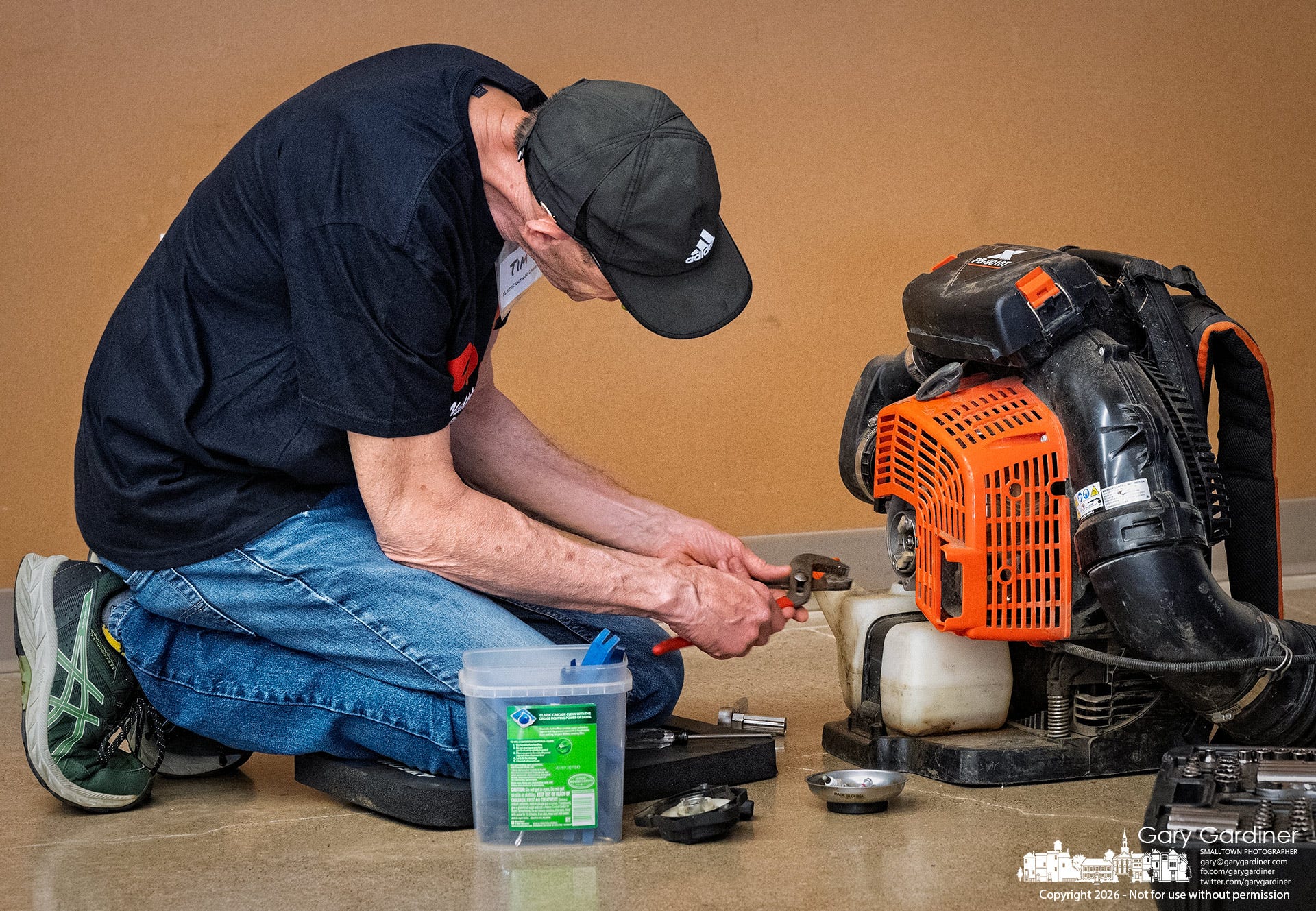
Linux is an open-source operating system, meaning it is not controlled by one company but developed and maintained by a worldwide community of developers. Tucker said Linux already powers much of the internet and telecommunications infrastructure people rely on every day, even if they never see it directly.
The Westerville event is aimed at a more personal problem: older laptops that may no longer run current versions of Windows. Microsoft’s decision to end support for Windows 10 has raised concerns that millions of still-usable computers could be discarded because they cannot be upgraded to Windows 11, Tucker said.
The Repair Café will install Linux Mint, a version of Linux chosen for its compatibility with older machines and its desktop interface that feels familiar to people used to Windows or Mac computers, Tucker said.
“You have a machine that would otherwise just be a brick that would go into a landfill, and now it’s a very usable system that will provide, hopefully, years of service for somebody,” he said.
Participants should bring their laptop and power adapter. Organizers warn that installing Linux will erase the computer's data, so users should back up photos, documents, and other files before installing. The event flyer says most laptops from the last 10 years should work well with Linux.
Tucker said the installation should take about 20 to 30 minutes. Volunteers will also have demonstration machines available so visitors can try Linux before deciding whether to install it. After installation, volunteers plan to make sure users can log in, open a browser, and ask questions before leaving.
Follow-up support is also planned. Tucker said organizers will collect email addresses and hold one or more Zoom sessions after the event to provide additional help.
The event will also accept donated laptops. According to the flyer, donated machines will be refurbished for someone in need.
Tucker said one challenge is not knowing how many people will show up.
“My two biggest fears about this thing is, one, that nobody comes, and two, is that too many people come,” he said.

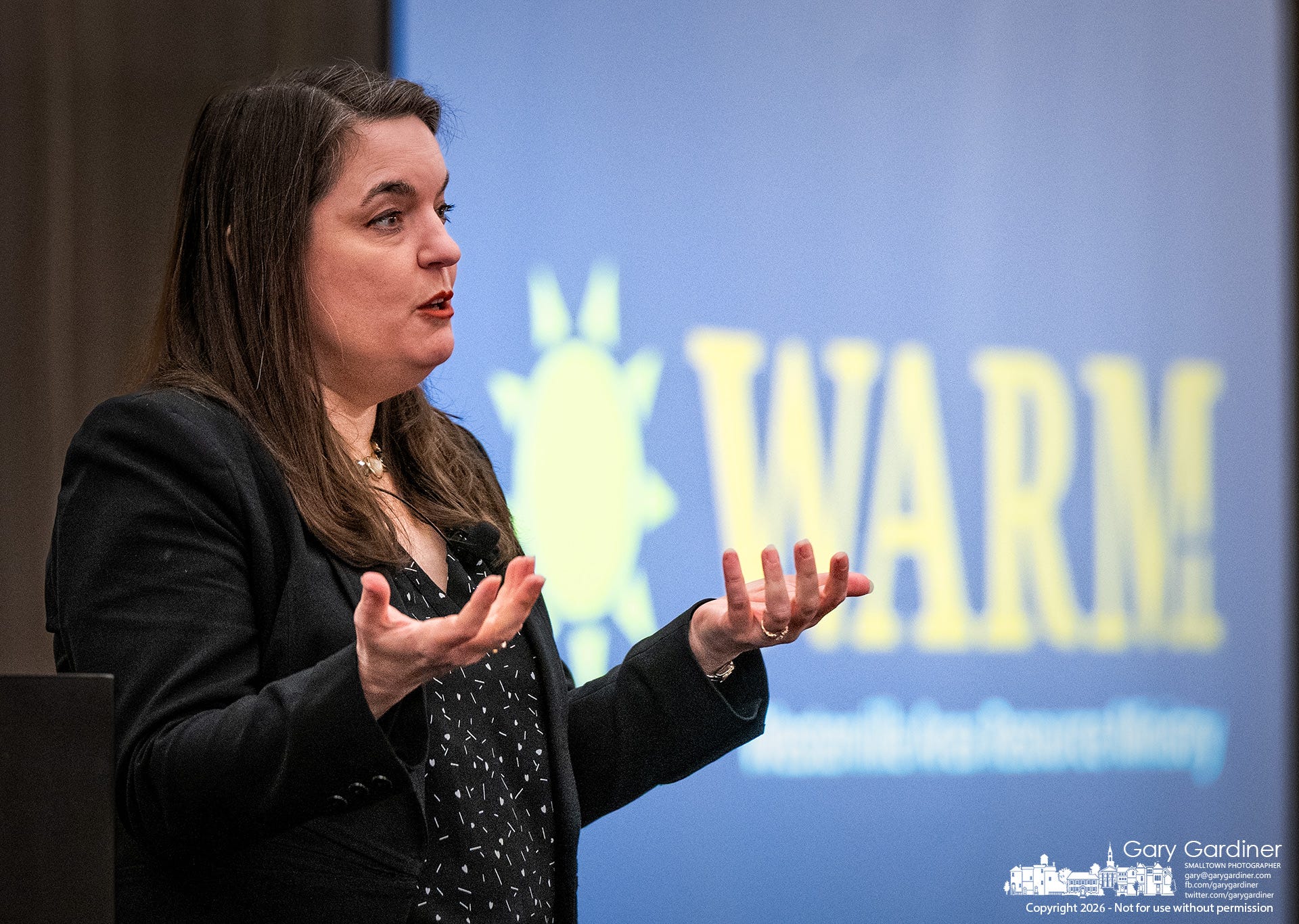
WARM Prayer Breakfast highlights service, school partnership, community support
Community members, faith leaders, school officials, and volunteers gathered Thursday for the annual WARM Prayer Breakfast, which highlighted prayer, service, and the growing need for food assistance in Westerville.
The breakfast, held on the National Day of Prayer, centered on the mission of WARM, the Westerville Area Resource Ministry, which provides food and other assistance to residents facing hunger, poverty, and instability.
Chad Maxeiner, WARM’s executive director, said the organization’s work is about more than meeting immediate needs.
“Food is often the first need, but it’s rarely the only need,” Maxeiner said.
Maxeiner highlighted WARM’s Share Bac-A-Pac program, which provides weekend food bags to students who may not have reliable access to meals outside of school. He said WARM began the school year delivering about 850 bags each week to students in Westerville City Schools. That number has since grown to more than 1,100 bags weekly.
Renis Desai, WARM’s board chair, said demand for the ministry’s services continues to increase, with WARM seeing a 53 percent rise in clients served between its 2022 and 2025 fiscal years. Desai also noted that summer brings additional challenges, as student meal programs become more important while donations often slow.
The featured speaker was Jennifer Shaw, a Westerville native, singer-songwriter, author, and speaker. Shaw spoke about faith, service, and choosing action over fear, sharing stories from her family’s adoption journey and her work with vulnerable children.
Shaw said people declare their faith not only through words, but also through how they live.
“You declare with your words, but you also declare with your life,” Shaw said. “You declare with your actions.”
She connected her message to WARM’s work, saying the organization puts faith into action by serving neighbors in practical ways.
“One of the things I love about WARM is they are loving people in action and in truth,” Shaw said. “They’re not just saying words. They’re going, and they’re doing it.”
The program also recognized community partners and volunteers whose work supports WARM’s mission.
WARM presented two HandUp Awards during the breakfast.
The first award went to Westerville City Schools, which has partnered with WARM since 2015 to help ensure students have food over weekends and school breaks. Sarah Acox, WARM’s director of development and fundraising, said school counselors, administrators, teachers, staff members, students, PTA members, and volunteers all play a role in identifying needs, supporting families, and collecting food.
Acox said about 1,100 students receive weekend meal bags each week through the district partnership, totaling nearly 150,000 meals annually. She also said the district contributed several tons of food to WARM this past year, including more than 6,000 pounds through the annual Food Fight Drive.
Accepting the award were Superintendent Angie Hamburg, Director of Student Well-being Jesse Martin, Hawthorne Elementary Principal and WARM board member Ernest Clinkscale, and Board President Kristy Meyer.
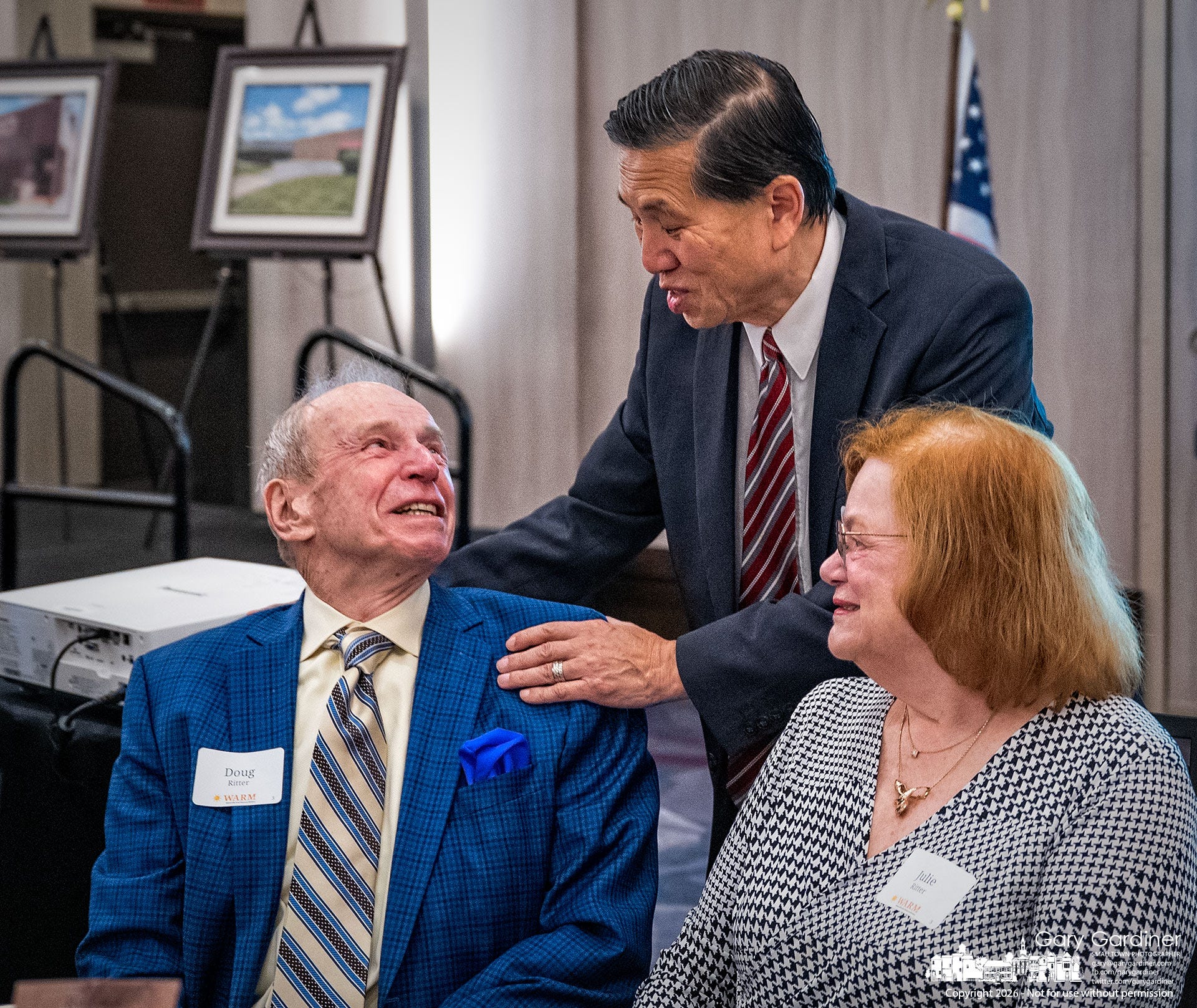
The second HandUp Award recognized Doug Ritter, a longtime WARM volunteer. Maxeiner said Ritter has volunteered with WARM for eight years, driving routes, sorting donations, working in the warehouse, and helping wherever needed.
Ritter, a U.S. Navy veteran and 21-year Westerville resident, was described as someone who serves quietly and consistently without seeking recognition.
“What motivates Doug’s not the recognition,” Maxeiner said. “It’s the simple knowledge that his work is making a real difference in a neighbor’s life. That’s the definition of service. That’s the definition of a hand up.”
The morning also included a proclamation from Westerville City Council member Jeff Washburn on behalf of Mayor David Grimes, recognizing May 7, 2026, as National Day of Prayer in the city of Westerville. The proclamation encouraged residents to observe the day through prayer, meditation, reflection, acts of service, and gatherings promoting unity, peace, and goodwill.
WARM leaders thanked volunteers, donors, sponsors, churches, and community partners for their support of the organization’s work. Maxeiner said their support allows WARM to help neighbors experience dignity, stability, and hope.
“Without this community of neighbors helping neighbors,” he said, “Westerville would look and feel a lot different.”
Because this post is public, you’re encouraged to share it on social media.

The Westerville News is a reader-supported publication by Gary Gardiner, a lifelong journalist who believes hyper-local reporting is the future of news. This publication focuses exclusively on Westerville—its local news, influence on Central Ohio, and how surrounding areas shape the community.
Reader funding, including subscribers, protects editorial independence, so coverage is guided by journalists rather than owners or corporate profit goals. It also reduces pressure to chase clicks, letting the newsroom focus on stories worth readers’ time. And it helps keep the site accessible to everyone, including people who can’t pay or live in places where a free press is under threat.
Explore more hyper-local reporting by subscribing to The Hilliard Beacon, Civic Capacity, Marysville Matters, The Ohio Roundtable, Shelby News Reporter, This Week in Toledo, and Into the Morning by Krista Steele.
